
Best Credit Card Combinations for 2026
Maximize every dollar with the best credit card combinations for 2026. We break down 4 proven multi-card strategies for points, cash back, and travel.
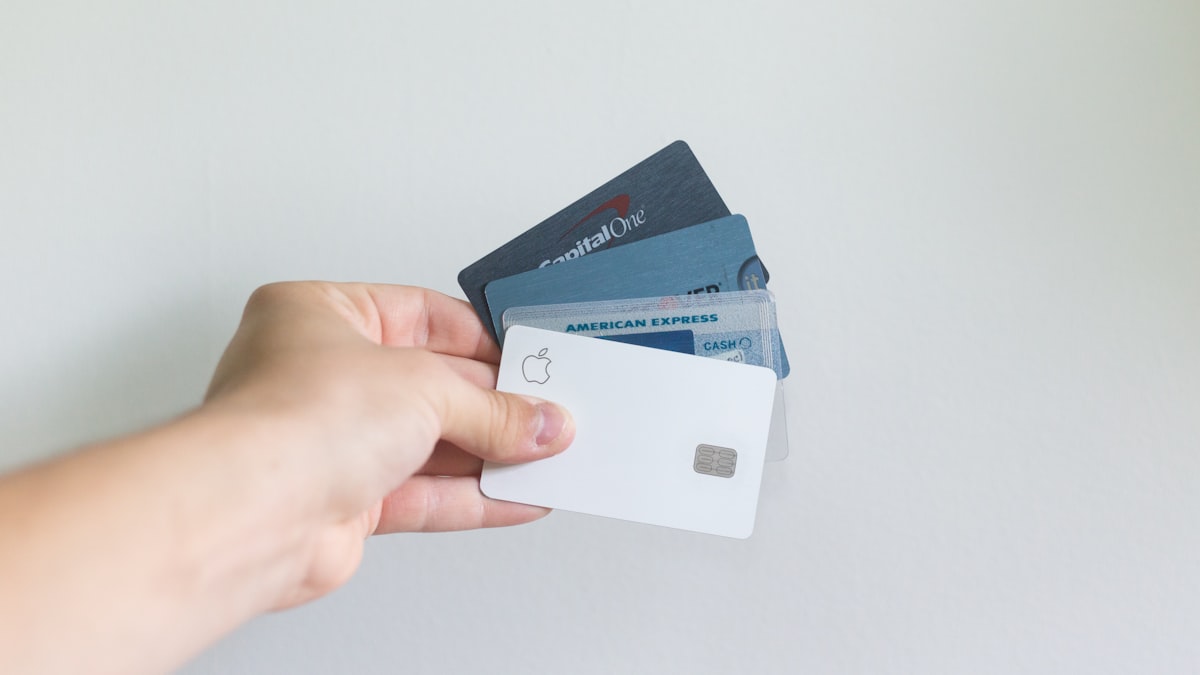
No single credit card earns the highest rewards on every purchase. The Chase Sapphire Preferred crushes it on dining but earns a mediocre 1x on groceries. The Amex Gold dominates groceries but can't touch Chase's hotel transfer partners. The truth is that the best credit card strategy isn't about finding one perfect card — it's about building a two or three card combination where each card has a specific job.
We've tested dozens of multi-card setups and narrowed it down to four combinations that cover every spending style and budget. A well-paired wallet can earn 2x to 3x more rewards than a single card alone. Here's how to build yours.
Why Credit Card Combinations Matter
Every dollar you spend on a 1x or 1.5x card in a category where another card earns 3x or 4x is money left on the table. It doesn't feel like much on a single transaction, but it compounds fast.
Here's the math: Say you spend $3,000 per month across dining, groceries, gas, and general purchases. Using one card that earns an average of 1.5x across everything, you'd earn 54,000 points per year. Now split that same spending across two or three optimized cards averaging 2.8x, and you're earning 100,800 points per year — nearly double.
That difference is worth an extra $500 to $900 in travel value every year. And you didn't spend a single dollar more.
The trick is keeping it simple. You don't need six cards in your wallet. Two or three cards, each assigned a clear spending category, is the sweet spot. Think of it like a team: one card plays offense on your biggest spending categories, one catches everything else, and an optional third picks up a specialty niche.
Here are four combinations we recommend based on your goals, budget, and experience level.
Combination 1: The Chase Trifecta — Best for Points Beginners
This is the most popular multi-card setup in the points world, and for good reason. All three cards live in the same ecosystem, which means your points pool together and you only need to learn one rewards program.
The Cards
- Chase Sapphire Preferred ($95/year) — 3x dining, 3x streaming, 5x Chase Travel, unlocks transfer partners
- Chase Freedom Flex ($0/year) — 5x on rotating quarterly categories, 3x dining, 3x drugstores
- Chase Freedom Unlimited ($0/year) — 1.5x on everything else
How to Use It
| Spending Category | Card to Use | Earning Rate |
|---|---|---|
| Dining and restaurants | Sapphire Preferred or Freedom Flex | 3x |
| Rotating quarterly bonus (groceries, gas, etc.) | Freedom Flex | 5x |
| Drugstores | Freedom Flex | 3x |
| Travel booked through Chase | Sapphire Preferred | 5x |
| Streaming services | Sapphire Preferred | 3x |
| Everything else | Freedom Unlimited | 1.5x |
All three cards earn Chase Ultimate Rewards points. The Freedom cards can transfer their points to the Sapphire Preferred, unlocking access to 14 airline and hotel transfer partners — including World of Hyatt, United, Southwest, and British Airways.
The Numbers
For a typical household spending $2,500/month, this setup earns roughly 75,000 points per year. Transfer those to Hyatt at 2-3 cents per point and you're looking at $1,500 to $2,250 in hotel value. Total annual fee: just $95.
Who This Is For
People starting out with points, anyone under Chase's 5/24 rule who wants to lock in Chase cards first, or anyone who values simplicity over absolute optimization. One ecosystem, one login, one transfer partner list.
For the full breakdown of how Chase points work, see our Chase Ultimate Rewards complete guide.
Chase Sapphire Preferred
The anchor card of the Chase Trifecta. 60,000 point signup bonus after $4,000 in 3 months, 3x on dining and streaming, and access to Chase's 14 transfer partners including Hyatt, United, and Southwest.
$95/year
Combination 2: The Points Powerhouse — Best for Maximizing Every Category
If you want the absolute highest earning rate on every spending category and don't mind managing two points ecosystems, this is the setup. It pairs the best dining and grocery card (Amex Gold) with the best hotel transfer card (Chase Sapphire Preferred) and a strong catch-all.
The Cards
- American Express Gold Card ($325/year) — 4x dining, 4x U.S. supermarkets, 3x flights booked directly with airlines
- Chase Sapphire Preferred ($95/year) — 3x streaming, 5x Chase Travel, unlocks Hyatt and United transfers
- Chase Freedom Unlimited ($0/year) — 1.5x on everything else
How to Use It
- Amex Gold for all dining and grocery purchases — 4x beats Chase's 3x in both categories
- Sapphire Preferred for streaming, travel bookings, and as the Chase points hub for hotel transfers
- Freedom Unlimited for gas, Amazon, utilities, and general shopping at 1.5x
You'll build two separate points balances: Amex Membership Rewards (best for airline transfers like ANA, Air France, and Singapore) and Chase Ultimate Rewards (best for Hyatt hotel transfers and United flights).
The Numbers
For a household spending $3,000/month with $600 on dining and $500 on groceries, the Amex Gold alone earns 52,800 MR points per year on those two categories. The Sapphire Preferred and Freedom Unlimited handle the rest, earning another 30,000+ UR points per year.
Combined annual fee is $420 on paper. But the Amex Gold comes with up to $120 in Uber credits and $120 in dining credits annually, bringing the effective cost down to about $275 total for both premium cards.
Who This Is For
Couples or families with meaningful dining and grocery spending, people who want access to both Amex and Chase transfer partners, or anyone already past Chase 5/24 who locked in their Chase cards and wants to add Amex to the mix.
Read our full American Express Gold Card review for the detailed breakdown of earning rates and credits.
American Express Gold Card
The best card for dining and groceries — period. 4x on both categories plus 3x on flights booked directly with airlines. Up to $240 in annual credits offset most of the fee.
$325/year
Combination 3: The Premium Travel Duo — Best for Frequent Travelers
This setup prioritizes airport lounge access, premium airline transfers, and maximum value for people who fly four or more times per year. Two premium cards that complement each other perfectly.
The Cards
- Capital One Venture X ($395/year) — 2x on everything, 10x on hotels and rental cars via Capital One Travel, Priority Pass + Capital One Lounges, $300 annual travel credit, 10,000 anniversary miles
- American Express Gold Card ($325/year) — 4x dining, 4x U.S. supermarkets, 3x flights booked directly
How to Use It
- Amex Gold handles all dining and grocery spending at 4x — your highest everyday categories
- Venture X is the default card for everything else at a flat 2x, plus all travel bookings through Capital One Travel at 5-10x
- For lounge access, you get two networks: Capital One's premium airport lounges plus Priority Pass
- Transfer Capital One miles to Turkish Airlines, Avianca, or Air Canada for premium cabin flights. Transfer Amex MR to ANA for Japan or Singapore Airlines for Southeast Asia
The Numbers
Combined annual fee is $720 on paper. After the Venture X's $300 travel credit and 10,000 anniversary miles (worth $100+), plus the Amex Gold's $240 in credits, the effective cost drops to roughly $80 per year for both cards.
For a $4,000/month spender who travels regularly, this setup generates 110,000+ combined points and miles per year. That's enough for a round-trip business class flight to Europe or Asia annually, on top of your everyday rewards.
Who This Is For
People who fly 4+ times per year and want lounge access, anyone interested in premium cabin redemptions through airline transfer partners, or high spenders who can justify the combined fee through credits and perks.
See our Capital One Venture X review for the full breakdown of this card's perks.
Capital One Venture X
The best premium travel card for its effective price. 75,000 mile signup bonus, $300 annual travel credit, Capital One Lounge and Priority Pass access, and 10,000 anniversary miles every year.
$395/year
Combination 4: The No-Fee Starter Setup — Best for Budget-Conscious Earners
Not ready for annual fees? This two-card setup earns competitive rewards at $0 per year and builds a foundation you can upgrade later.
The Cards
- Chase Freedom Unlimited ($0/year) — 1.5x on everything, 3x dining, 3x drugstores
- Citi Double Cash ($0/year) — 2% flat cash back on everything (1% when you buy, 1% when you pay)
How to Use It
- Freedom Unlimited for dining and drugstores at 3x
- Citi Double Cash for everything else at 2% — beats the Freedom Unlimited's 1.5x on non-bonus categories
Total annual fee: $0.
The Upgrade Path
Here's the thing: this combination is designed to grow with you. When you're ready to level up, add a Chase Sapphire Preferred. Your Freedom Unlimited points instantly become transferable to airline and hotel partners instead of just cash back. You go from a $0 cash back setup to a full Chase Trifecta without changing your spending habits.
The Numbers
For a $2,000/month spender, this earns roughly $480 to $550 in annual rewards — with no annual fee eating into that total. Not as high as the premium setups, but every dollar is pure profit.
Who This Is For
People new to credit cards, anyone building credit history before applying for premium cards, or people who simply don't want annual fees. This is also a great setup for students or anyone just starting their career. Check out our best credit cards for beginners and best no-annual-fee cards for more options.
Citi Double Cash
The simplest high-earning no-fee card available. 2% back on every purchase with no categories to track, no annual fee, and no caps on cash back. The perfect catch-all companion card.
$0/year
How to Pick the Right Combination
| Combination | Annual Fee | Effective Cost | Best For | Complexity |
|---|---|---|---|---|
| Chase Trifecta | $95 | $95 | Points beginners, Chase ecosystem | Low |
| Points Powerhouse | $420 | ~$275 | Max earning in every category | Medium |
| Premium Travel Duo | $720 | ~$80 | Frequent travelers, lounge lovers | Medium |
| No-Fee Starter | $0 | $0 | Budget-conscious, credit builders | Low |
If you eat out frequently and buy groceries weekly, Combination 2 (Points Powerhouse) or 3 (Premium Travel Duo) will earn you the most value on your biggest spending categories.
If you want simplicity and one rewards ecosystem, Combination 1 (Chase Trifecta) keeps everything in one place with one login and one set of transfer partners.
If you're not ready to pay annual fees, Combination 4 (No-Fee Starter) gets you earning competitive rewards immediately with a clear upgrade path when you're ready.
If you're building a card strategy with a partner, check out the best joint credit cards for couples on Couples & Coins for cards that work well with authorized user setups.
Common Card Pairing Mistakes to Avoid
Carrying redundant cards. Two cards that earn 3x on dining doesn't help you — one of them should be covering a different category. Every card in your wallet should have a unique job.
Applying for too many cards at once. Opening three cards in one month tanks your credit score temporarily and can trigger Chase's 5/24 rule. Space applications at least 3 months apart. If you're targeting Chase cards, see our guide on how to maximize signup bonuses for the right application order.
Ignoring annual fee math. A $325 card that earns $800 in value is a better deal than a $0 card that earns $400. Always calculate the net value — total rewards minus annual fee plus any credits. If the net is positive, the fee is paying for itself.
Not actually using the right card. The combination only works if you pull out the correct card for each purchase. A simple trick: arrange your cards in your phone's digital wallet in order of priority, or put a small label on each physical card reminding you what it's for (e.g., "DINING" on your Amex Gold).
Free: Points Starter Guide
Learn which cards to get first, how to maximize signup bonuses, and the basics of points & miles.
No spam, ever. Unsubscribe anytime.
FAQ
How many credit cards should I carry?
Two to three active cards is the sweet spot for most people. One card handles your highest spending category at an elevated rate, one covers everything else at a strong base rate, and optionally a third picks up a specialty niche like rotating categories or travel bookings. More than four daily-use cards gets hard to manage, and the marginal benefit drops off quickly.
Do credit card combinations hurt your credit score?
Opening multiple cards causes short-term score dips from hard inquiries — typically 2 to 5 points each. But long-term, the added available credit actually improves your utilization ratio, which is a bigger factor. Space applications 3+ months apart and your score recovers within a few months. The key is never carrying balances. Interest charges will wipe out any rewards you earn.
Can I mix cards from different banks?
Absolutely. In fact, the best combinations often cross ecosystems. Pairing an Amex Gold (best dining card) with a Chase Sapphire Preferred (best hotel transfers via Hyatt) gives you strengths neither bank offers alone. The only trade-off is managing two separate points balances and two different sets of transfer partners — but that's a feature, not a bug.
Should I cancel old credit cards when upgrading my combination?
Generally no. Closing cards reduces your total available credit and lowers your average account age, both of which can hurt your score. If a card has no annual fee, keep it open and use it occasionally to prevent the issuer from closing it for inactivity. If it has an annual fee you can no longer justify, call the issuer and ask to downgrade it to a no-fee version instead of closing it outright.
What's the best two-card combination for most people?
The Chase Sapphire Preferred plus the Chase Freedom Unlimited. The Sapphire handles dining, streaming, and travel at 3-5x and unlocks transfer partners like Hyatt and United. The Freedom Unlimited catches everything else at 1.5x. Total cost is $95/year, all points pool together, and the system is dead simple. It's the highest-value, lowest-complexity two-card setup available in 2026.
The Bottom Line
The best credit card isn't a single card — it's the right combination of cards working together. Even a simple two-card setup can nearly double your annual rewards compared to using one card for everything. Pick the combination that matches your spending profile, assign each card its job, and give it three months. The difference in your points balance will speak for itself.
Products Mentioned
Free: Points Starter Guide
Learn which cards to get first, how to maximize signup bonuses, and the basics of points & miles.
No spam, ever. Unsubscribe anytime.