
How to Maximize Credit Card Signup Bonuses in 2026
Learn how to earn hundreds of thousands of points from signup bonuses. Timing, minimum spend strategies, stacking cards, and the rules you need to know.
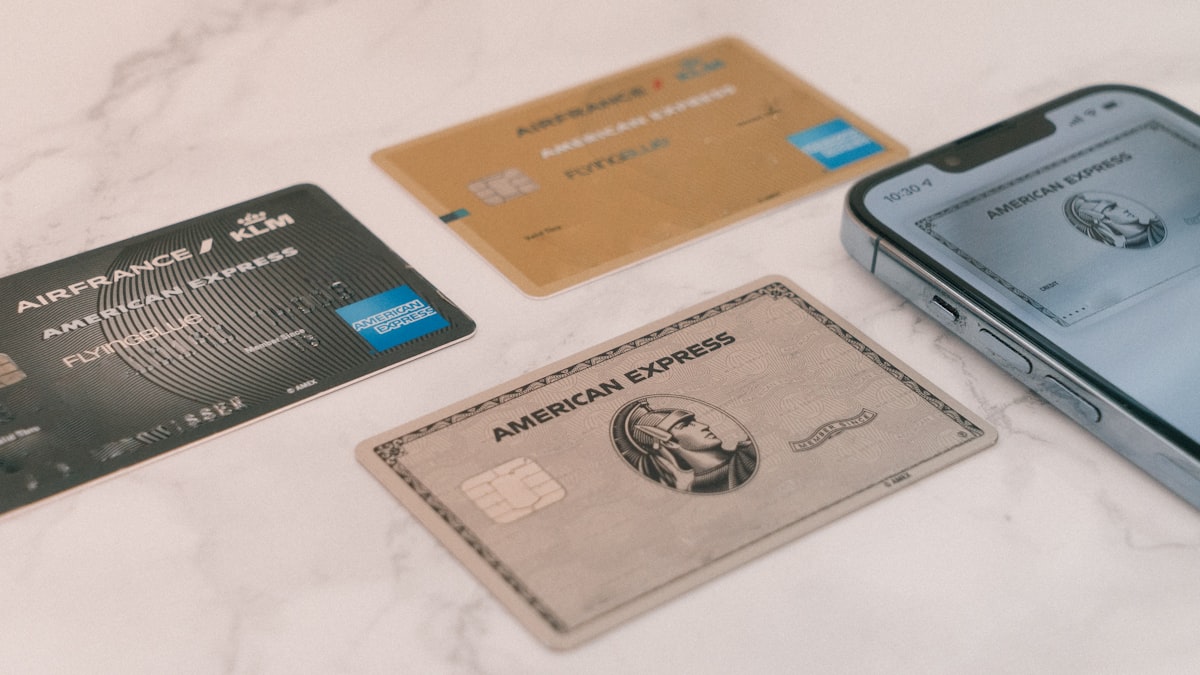
Signup bonuses are the single fastest way to build a massive points balance. One credit card application, a few months of spending you were going to do anyway, and you're sitting on 60,000 to 100,000+ points — enough for a round-trip flight to Europe or several nights at a luxury hotel. No amount of everyday spending can match that pace.
But most people leave value on the table. They apply at the wrong time, struggle to hit minimum spend, or don't realize that issuer rules quietly disqualified them before they even submitted the application. This guide covers exactly how to squeeze maximum value out of every signup bonus in 2026.
What Is a Signup Bonus?
A signup bonus (also called a welcome offer) is simple: open a new credit card, spend a required amount within a set timeframe, and the bank rewards you with a large chunk of points, miles, or cash back.
Here's what the top offers look like right now:
| Card | Signup Bonus | Minimum Spend | Timeframe | Annual Fee |
|---|---|---|---|---|
| Chase Sapphire Preferred | 60,000 points | $4,000 | 3 months | $95 |
| Amex Gold Card | 60,000 points | $6,000 | 6 months | $250 |
| Capital One Venture X | 75,000 miles | $4,000 | 3 months | $395 |
| Chase Ink Business Preferred | 100,000 points | $8,000 | 3 months | $95 |
| Citi Premier | 60,000 points | $4,000 | 3 months | $95 |
| Amex Platinum | 80,000 points | $8,000 | 6 months | $695 |
The value of these bonuses ranges from $600 to $1,800+ depending on how you redeem them. Transfer 60,000 Chase points to Hyatt and you could book four nights at a hotel that costs $300/night. That's $1,200 in value from a card with a $95 annual fee.
If you're new to the world of points, our credit card points beginner guide covers the fundamentals before diving into bonus strategy.
Step 1: Time Your Applications Strategically
Timing is everything. The best time to apply for a new card is when you have large, planned expenses coming up — not when you see a flashy ad.
Apply before big spending events:
- Moving to a new apartment (security deposit, furniture, movers)
- Planning a wedding or honeymoon
- Home renovation or appliance purchases
- Annual insurance premiums coming due
- Holiday shopping season (October-November)
If you know you're spending $5,000 on furniture next month, that's the perfect time to open a card with a $4,000 minimum spend requirement. You'll hit the bonus with one purchase and earn your regular spending rewards on top of it.
Don't apply impulsively. If you don't have a clear path to hitting the minimum spend with money you'd spend anyway, wait. The bonus will still be there next quarter — or something better might come along.
The Chase 5/24 Rule: Why Order Matters
Chase counts how many new credit cards you've opened across all banks in the last 24 months. If you've opened 5 or more, they'll automatically deny you for most Chase cards. This is the infamous 5/24 rule.
This means if you're starting from scratch, always apply for Chase cards first:
- Months 1-3: Chase Sapphire Preferred (60,000 points)
- Months 4-6: Chase Freedom Flex or Chase Ink Business Preferred
- Months 7+: Amex, Capital One, Citi, and others
Getting this order wrong is the most expensive mistake in the signup bonus game. A single Amex or Capital One card opened too early can lock you out of Chase's best offers for two years.
For a deeper look at Chase's points ecosystem, see our Chase Ultimate Rewards complete guide.
Chase Sapphire Preferred
The best first signup bonus card for most people. 60,000 Ultimate Rewards points after spending $4,000 in 3 months — worth $750+ when transferred to travel partners. Low $95 annual fee and access to Chase's full transfer partner network.
$95/year
Step 2: Hit Minimum Spend Without Overspending
Here's where people get into trouble. The minimum spend requirement exists to make you use the card — but spending money you wouldn't otherwise spend defeats the entire purpose of the bonus.
Smart ways to hit minimum spend:
- Shift your existing bills. Move groceries, gas, utilities, streaming services, phone bill, and insurance to the new card. Most people spend $2,000-$3,000/month on these basics without realizing it.
- Prepay expenses you know are coming. Pay your car insurance in full for six months. Stock up on gift cards for stores you already shop at regularly. Pay next month's rent if your landlord accepts credit cards.
- Time it with a big purchase. This is the ideal scenario — one large expense wipes out most of the requirement.
- Split shared expenses. Offer to put a group dinner, vacation rental, or friend's purchase on your card and have them pay you back.
What NOT to do:
- Don't buy things you don't need just to hit the minimum
- Don't purchase high-value gift cards in bulk (banks flag this and can claw back your bonus)
- Don't miss the deadline — if your timeframe is 3 months, set a calendar reminder for week 10
- Don't forget to actually activate the card and make your first purchase quickly
A simple spreadsheet tracking your progress is worth the five minutes it takes to set up. Log each purchase and watch the total climb toward your target.
Step 3: Stack Multiple Bonuses Over Time
One signup bonus is great. But the real strategy is systematically earning bonuses across multiple cards over 12-24 months. This is how people accumulate 300,000 to 500,000+ points without changing their spending habits.
The "one card every 3 months" cadence:
| Month | Card | Bonus | Running Total |
|---|---|---|---|
| 1 | Chase Sapphire Preferred | 60,000 UR | 60,000 |
| 4 | Chase Ink Business Preferred | 100,000 UR | 160,000 |
| 7 | Amex Gold | 60,000 MR | 160,000 UR + 60,000 MR |
| 10 | Capital One Venture X | 75,000 miles | 160,000 UR + 60,000 MR + 75,000 miles |
| 13 | Citi Premier | 60,000 TYP | 160,000 UR + 60,000 MR + 75,000 miles + 60,000 TYP |
In just over a year, that's 355,000 total points across multiple programs — conservatively worth $4,000-$6,000 in travel. And you didn't spend a dollar more than you normally would.
Why every 3 months?
- Gives you time to comfortably hit each minimum spend
- Spaces out hard inquiries on your credit report
- Keeps you under Chase 5/24 longer if you prioritize Chase first
- Avoids the stress of juggling multiple minimums at once
Step 4: Maximize the Value of Your Bonus Points
Earning the bonus is only half the equation. How you redeem those points determines whether your 60,000-point bonus is worth $600 or $1,800.
The value hierarchy:
-
Transfer to airline/hotel partners — 1.5 to 3+ cents per point. This is where the real value lives. Transfer 60,000 Chase points to World of Hyatt and book 4 nights at a Category 4 hotel (normally $250+/night). That's $1,000+ in value.
-
Book through the card's travel portal — 1.25 to 1.5 cents per point. Good but not great. The Chase Sapphire Preferred gets you 1.25 cents per point through Chase Travel.
-
Statement credit or cash back — 1 cent per point. The worst option for most reward currencies. Only use this if you genuinely can't use the points for travel.
A real example: You earn the Chase Sapphire Preferred's 60,000 point bonus. Instead of cashing out for $600, you transfer 25,000 points to United Airlines and book a round-trip domestic flight that would cost $450. Then you transfer 15,000 points to Hyatt for a free night worth $280. Your 40,000 points just got you $730 in value — and you still have 20,000 points left over.
Our Chase Sapphire Preferred review breaks down the best redemption paths for that specific card.
Step 5: Know the Rules That Can Disqualify You
Every major bank has restrictions on who can earn a signup bonus. Ignoring these rules means you'll go through the effort of applying and spending — then get nothing.
Chase 5/24 Rule If you've opened 5 or more personal credit cards (across all banks) in the last 24 months, Chase will deny your application for most of their cards. Business cards from other issuers generally don't count, but business cards you open at Chase do count toward 5/24 for other banks.
Amex Once-Per-Lifetime Rule American Express typically only lets you earn the signup bonus on each card once. If you had the Amex Gold five years ago and closed it, you probably can't earn the bonus again. Check the terms carefully — some targeted offers bypass this.
Citi 48-Month Rule Citi requires that you haven't opened or closed the same product in the last 48 months to qualify for a new bonus. That's a four-year lockout.
Capital One Restriction Capital One limits most people to two of their credit cards total. If you already have two Capital One cards, you'll need to close one before applying for a new one.
Before you apply:
- Check your credit report at annualcreditreport.com to count recent accounts
- Look at the specific terms on the card's application page
- Use issuer pre-qualification tools (Chase, Amex, and Capital One all have them) to check your odds without a hard inquiry
Top Signup Bonuses Worth Targeting Right Now
| Card | Bonus Value (Est.) | Best For | Our Take |
|---|---|---|---|
| Chase Sapphire Preferred | $750-$1,200 | First bonus card | Best all-around starter. Low fee, strong transfer partners. |
| Chase Ink Business Preferred | $1,250-$2,000 | Business owners | Highest raw point count. Pairs perfectly with Sapphire. |
| Capital One Venture X | $750-$1,100 | Lounge access + bonus | Strong bonus plus Priority Pass lounges. |
| Amex Gold | $600-$1,200 | Dining + groceries | Great earning rates on everyday spending. |
| Amex Platinum | $800-$1,600 | Premium travel | Massive perks offset the high fee if you travel frequently. |
| Citi Premier | $600-$900 | Flexible redemptions | Solid bonus with no transfer partner restrictions. |
Free: Points Starter Guide
Learn which cards to get first, how to maximize signup bonuses, and the basics of points & miles.
No spam, ever. Unsubscribe anytime.
FAQ
Can you get the same signup bonus twice?
It depends on the issuer. Amex has a once-per-lifetime rule for most cards, so generally no. Chase lets you earn a bonus again if it's been 48 months since you last received one on that product. Citi also uses a 48-month window. Capital One is less consistent — check the offer terms. Always read the fine print on the application page before applying.
Does applying for a credit card hurt your credit score?
Yes, but only slightly and temporarily. Each application triggers a hard inquiry that typically drops your score by 2-5 points. The impact fades within a few months and falls off your report after two years. Opening a new account also lowers your average account age, which can matter more if you have a thin credit file. For most people with established credit, the score impact is negligible compared to the value of the bonus.
What happens if I can't hit the minimum spend in time?
You don't get the bonus. The bank won't extend your deadline, and there's no partial credit. If you're worried about hitting the minimum, choose a card with a lower threshold or longer timeframe. The Amex Gold gives you 6 months to spend $6,000, which is more manageable than 3 months for most people. You can also call the bank before applying to ask about current offers — sometimes phone applications come with different spend requirements.
What's the best first signup bonus card?
For most people, the Chase Sapphire Preferred. The 60,000-point bonus is worth $750+ in travel, the $4,000 minimum spend is reachable for most households in 3 months, and the $95 annual fee is reasonable. Most importantly, applying for Chase first keeps you under the 5/24 rule so you're not locked out of their cards later.
Do signup bonus points expire?
Generally no — as long as your account is open and in good standing, your points won't expire. Chase Ultimate Rewards, Amex Membership Rewards, and Capital One miles don't have expiration dates while you hold the card. If you close the account, some programs give you a window to transfer or use remaining points (Chase gives you 30 days). Citi ThankYou points and some airline miles can expire with inactivity, so check the specific program rules.
The Bottom Line
Signup bonuses are the most efficient way to accumulate points — period. A single well-timed application can be worth more than a year of everyday spending on rewards. The key is being strategic: apply for Chase cards first, time your applications around planned expenses, hit the minimum spend with money you'd spend anyway, and redeem through transfer partners instead of cash back.
Start with one card, prove to yourself that the system works, and then build from there. A disciplined approach of one new card every three months can net you 300,000+ points in your first year — enough for multiple free flights, hotel stays, or both. The points are there for the taking. You just need a plan.
Products Mentioned
Free: Points Starter Guide
Learn which cards to get first, how to maximize signup bonuses, and the basics of points & miles.
No spam, ever. Unsubscribe anytime.